

A Beginner’s Guide to Worldschooling
One simple question “What if we could turn our love for travel into meaningful learning experiences for our kids?” completely shifted the rhythm of our family life.
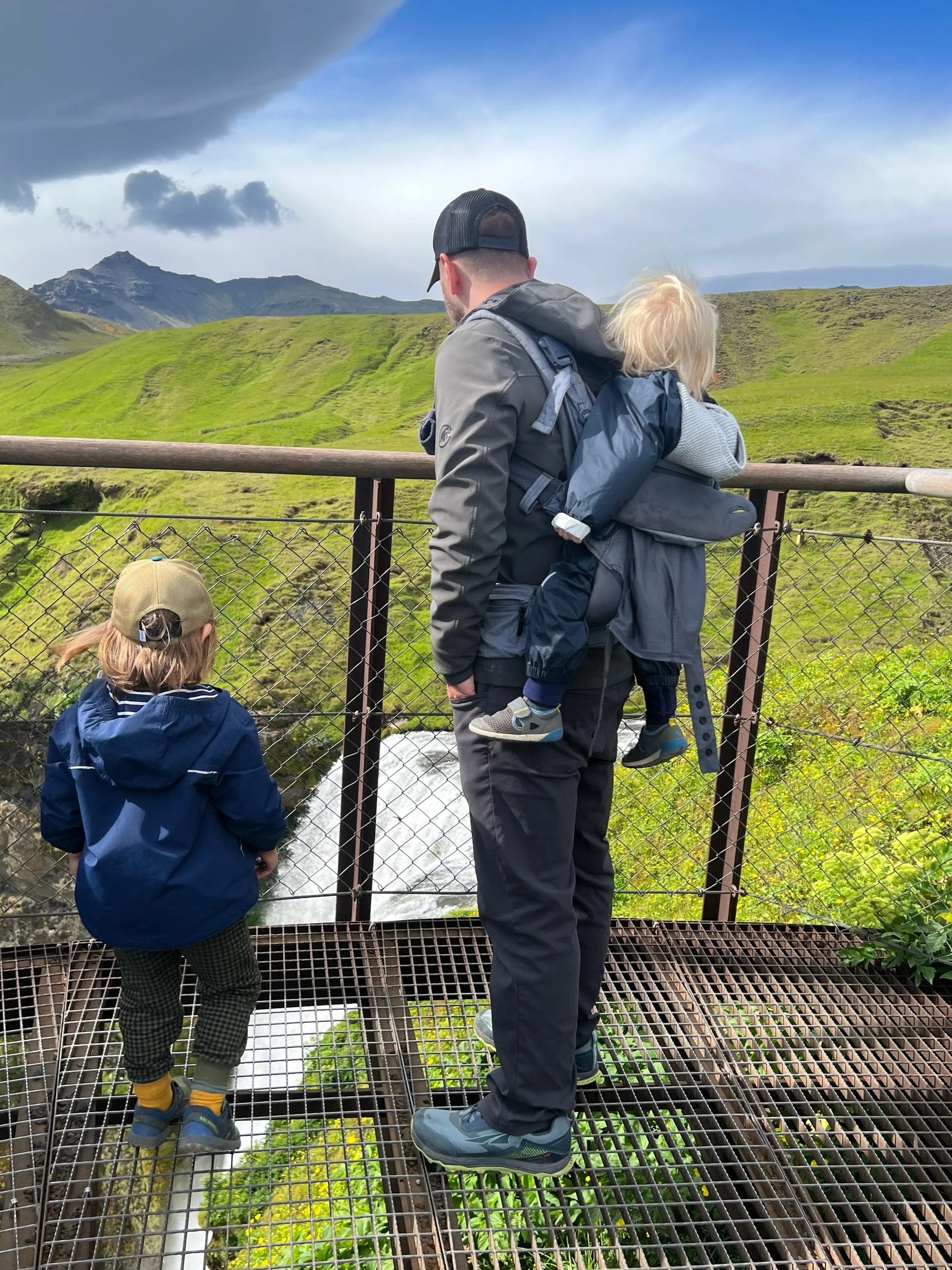
Looking back now, years into this adventure, I see how the small choices and the countless moments of wonder have shaped our children in ways no textbook ever could.
Imagine your child learning about ocean ecosystems while snorkeling in Costa Rica instead of sitting through another science lesson at a desk. That’s the magic of worldschooling! Whether you’re dreaming of your first international trip or already a seasoned traveler, worldschooling turns everyday experiences into unforgettable lessons by blending family travel adventures with hands-on, real-world learning.
Worldschooling isn’t about having the most picture perfect itinerary or checking off every “must-see” landmark. It’s about shared curiosity, connection, and creating meaningful experiences for the whole family while embracing the unknown. It’s about traveling with kids not as a checklist, but as a way to deepen relationships, expand perspectives, and nurture resilience.
It’s about presence. It’s sharing curiosity, connection, and discovery as a family. It’s learning to slow down enough to notice the sound of a new language in a marketplace or the way your child’s eyes light up at a discovery on a trail. These are the kinds of lessons that last a lifetime.
In this guide, you’ll discover what worldschooling truly looks like, learn strategies to get started, and find resources to help your family confidently embark on this adventure.
Real Worldschooling Lessons for Families
When families first consider worldschooling, it can feel a little overwhelming. Can you really merge family travel and education with work, budgets, and daily routines? Will your kids actually learn anything of value or just wander around with suitcases and snacks?
Lessons often go far beyond academics. Children learn patience, adaptability, and empathy in ways no worksheet can match. Watching a child navigate a bustling market in a country where they don’t speak the language shows that everyday moments of travel can be transformative.
Some of the most lasting lessons are about resilience, observation, and compassion. Children notice kindness from strangers, learn to ask respectful questions about traditions, and gain confidence in unfamiliar settings. These experiences cultivate skills that will serve them long after the trip is over.
Worldschooling: Starting Small
Worldschooling doesn’t begin with a round-the-world ticket. For most families, it starts with small, intentional steps. Weekends can become mini-adventures: a visit to a local art gallery, a nature walk focused on identifying plants, or a cultural festival in a nearby city. These micro-trips allow families to experiment, reflect, and see what truly sparks curiosity.
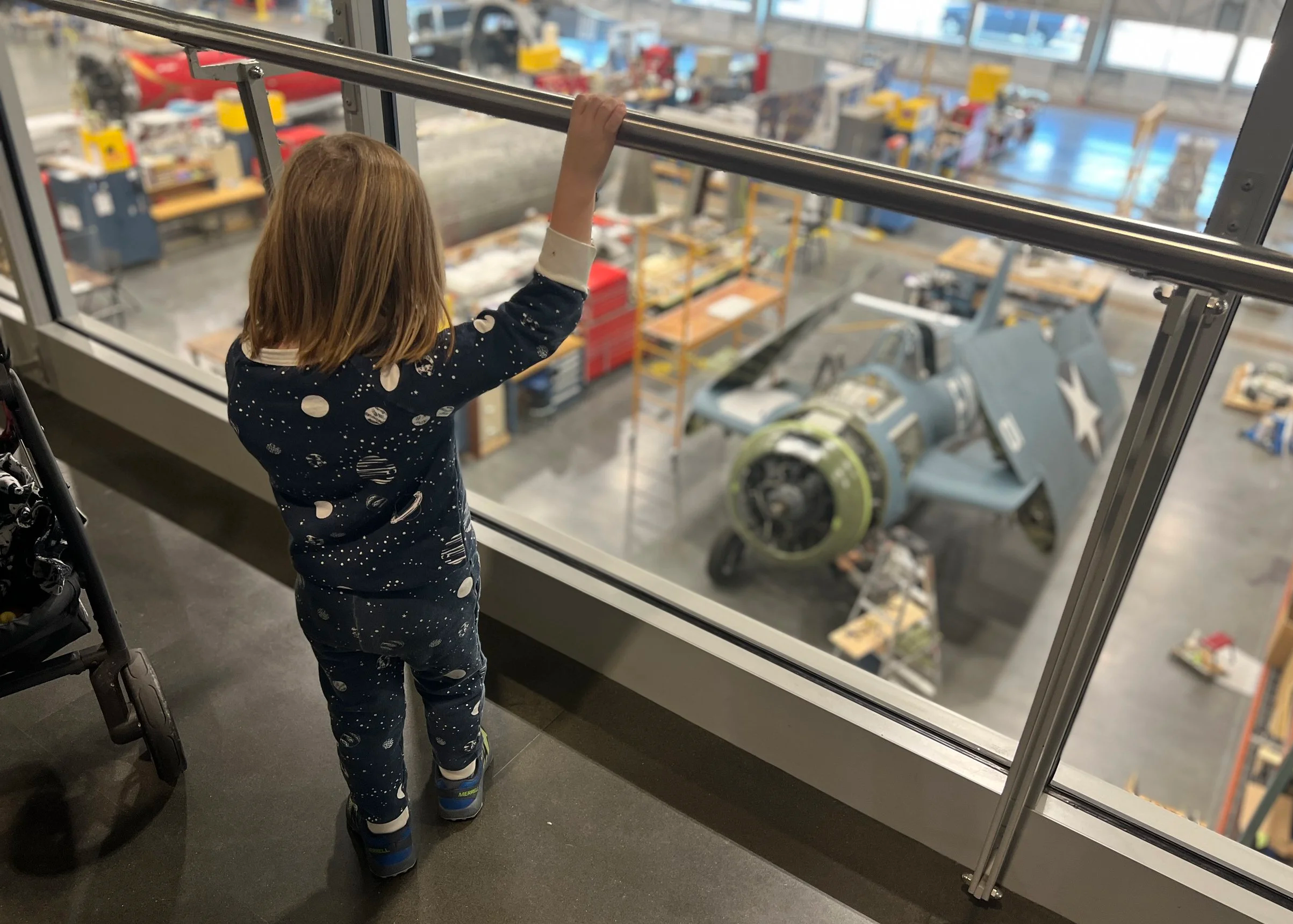
Worldschooling doesn’t begin with a round-the-world ticket. For most families, it starts with small, intentional steps. Weekends can become mini-adventures: a visit to a local art gallery, a nature walk focused on identifying plants, or a cultural festival in a nearby city. These micro-trips allow families to experiment, reflect, and see what truly sparks curiosity.
Integrating purposeful travel can be simple. A tide pool becomes a lab for marine biology. A historic home teaches lessons in architecture and local history. Even grocery shopping transforms into a study of geography, trade, and culture.
And worldschooling doesn’t have to be expensive. Public libraries, digital apps, community workshops, and free museum days are invaluable worldschooling resources. The key is intentionality—choosing experiences that spark learning and connection.
Planning with Purpose
One of the most practical worldschooling tips is to plan with intention, not perfection. Ask: What do we want our children to experience, and how can our travels support that?
When planning trips, consider:
Cultural immersion: Can kids observe or participate in daily life in another place?
Hands-on learning: Are there activities, workshops, or museums with interactive experiences?
Time for reflection: Is there room to slow down and process the lessons instead of rushing?
The best plans leave room for wonder. By framing travel around questions instead of checklists, families cultivate purpose and connection. When you’re not racing from one stop to the next, there’s space to notice the rhythm of a newly discovered place. Intentional planning isn’t about controlling every detail. It's about leaving space for presence and unscripted moments where magic can happen. In those pauses, children begin asking their own questions and seeking answers. Their understanding of the world grows as they combine new experiences together with what they already know.
Worldschooling on the Go
Traveling with kids is messy, unpredictable, and at times, exhausting. A missed train or delayed flight may feel stressful in the moment, but those hiccups often lead to the best memories and unexpected learning opportunities. Worldschooling thrives on this mix of challenge and wonder. It isn’t about doing it all, it’s about being present in everyday moments. Quiet mornings exploring, picnics in local parks, or simply watching a sunset together can be just as valuable as a scheduled sightseeing tour.
Experiential learning is at the heart of worldschooling. A pause to watch street musicians play or to ask a local about their traditions often sparks more curiosity than a packed itinerary ever could. Sharing meals with families from other cultures, listening to local guides, and participating in markets highlight how interconnected the world is. Learning naturally adapts to a child’s age and interest. A preschooler may focus on textures and colors, while an older child takes notes or sketches what they see. These experiences teach humility and respect. They encourage children to ask questions, appreciate differences, and develop empathy for people and the planet.
Reflection helps cement these lessons. A journal entry after hiking to a waterfall, a quick sketch of fellow travelers in an airport, or a family conversation over dinner turns fleeting experiences into lasting lessons. The messy, the magical, and everything in between becomes the curriculum and the memories your kids will carry forward.
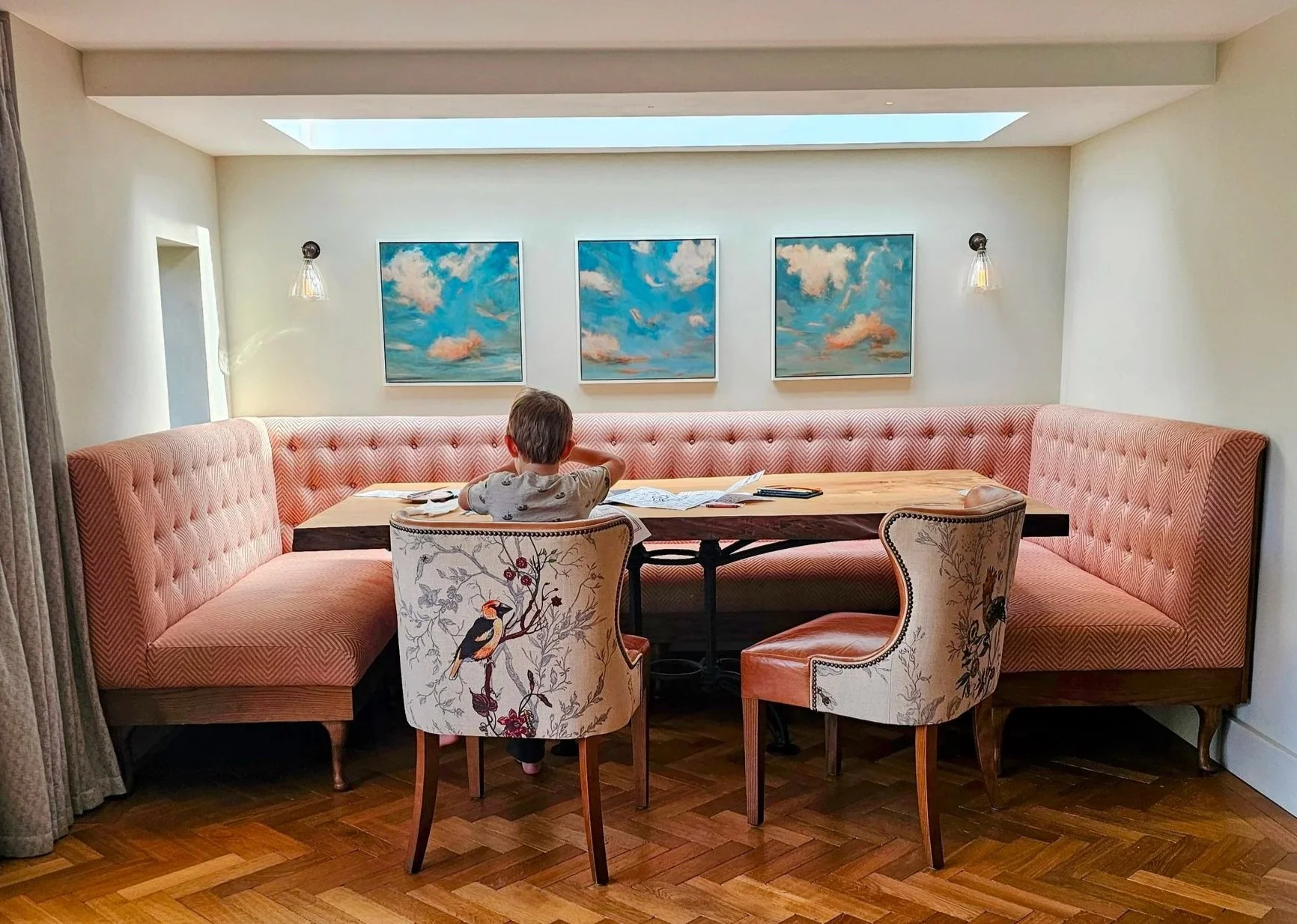
Journaling in Woolfardisworthy, Devon, UK
Practical Parent Tips
Worldschooling does take planning—flights, accommodations, visas, and insurance all matter. But it doesn’t need to feel overwhelming. With a mix of smart tools and flexible routines, the logistics become manageable and even part of the learning.
A few simple worldschooling tips that make the journey smoother:
Trip roles for kids: Give each child a small responsibility, like being “navigator” for a day with the map, “meal scout” who helps choose what to eat, or “memory keeper” who takes photos or writes notes. These roles give kids ownership and reduce travel stress.
Daily rhythms: Simple anchors like reading before bed, journaling in the morning, or sketching during downtime help kids feel grounded while traveling.
Budgeting together: Involve kids in creating a small daily spending plan so they learn math, money management, and trade-offs in real time.
Downtime is non-negotiable: Rest is essential for learning and for harmony. Build in quiet breaks to recharge. Create room for wonder.
Scavenger-style exploring: Instead of ticking off a list, give kids prompts like “find a local fruit we’ve never seen” or “listen for three new languages today.” It makes ordinary outings feel adventurous.
Balance is key to feeling grounded even on the go. You need enough structure to feel secure and enough flexibility to embrace discovery. By tuning into your kids’ needs, you’ll know when to pause, pivot, or press forward.
What Are the Best Worldschooling Resources?
The best worldschooling resources are those that are practical, flexible, and easy to adapt:
Digital downloads like journals, scavenger hunts, and activity prompts.
Local libraries and community events for accessible, low-cost learning.
Educational apps and podcasts that can be used on the go.
Simple supplies—a notebook, sketchbook, or camera—to document and reflect.
We’ve learned that it doesn’t take fancy kits or endless expensive gear to get going. All you need is the right mix of intentionality and an openness to learning from the world itself.
Ready for A Worldschooling Adventure
Worldschooling is built on small, intentional steps that grow into life-changing journeys. From saving money to adjusting lessons, every choice brings you closer to the family life you imagine. Start with local explorations, incorporate journaling or sketching, and reflect together afterward. Each step creates momentum.The world is waiting, and the lessons are everywhere.
Growth often happens in the pauses, in the unplanned spaces where there is room to notice and reflect. A picnic in a park, a lazy afternoon sketching in a plaza, or stargazing far from city lights could be the highlights your kids talk about for years. When families slow down and pay attention, the ordinary becomes extraordinary. Worldschooling is about raising kids who are curious, compassionate, and deeply connected to the world around them. Welcome the unexpected.
What a journey to meet this moment.
