

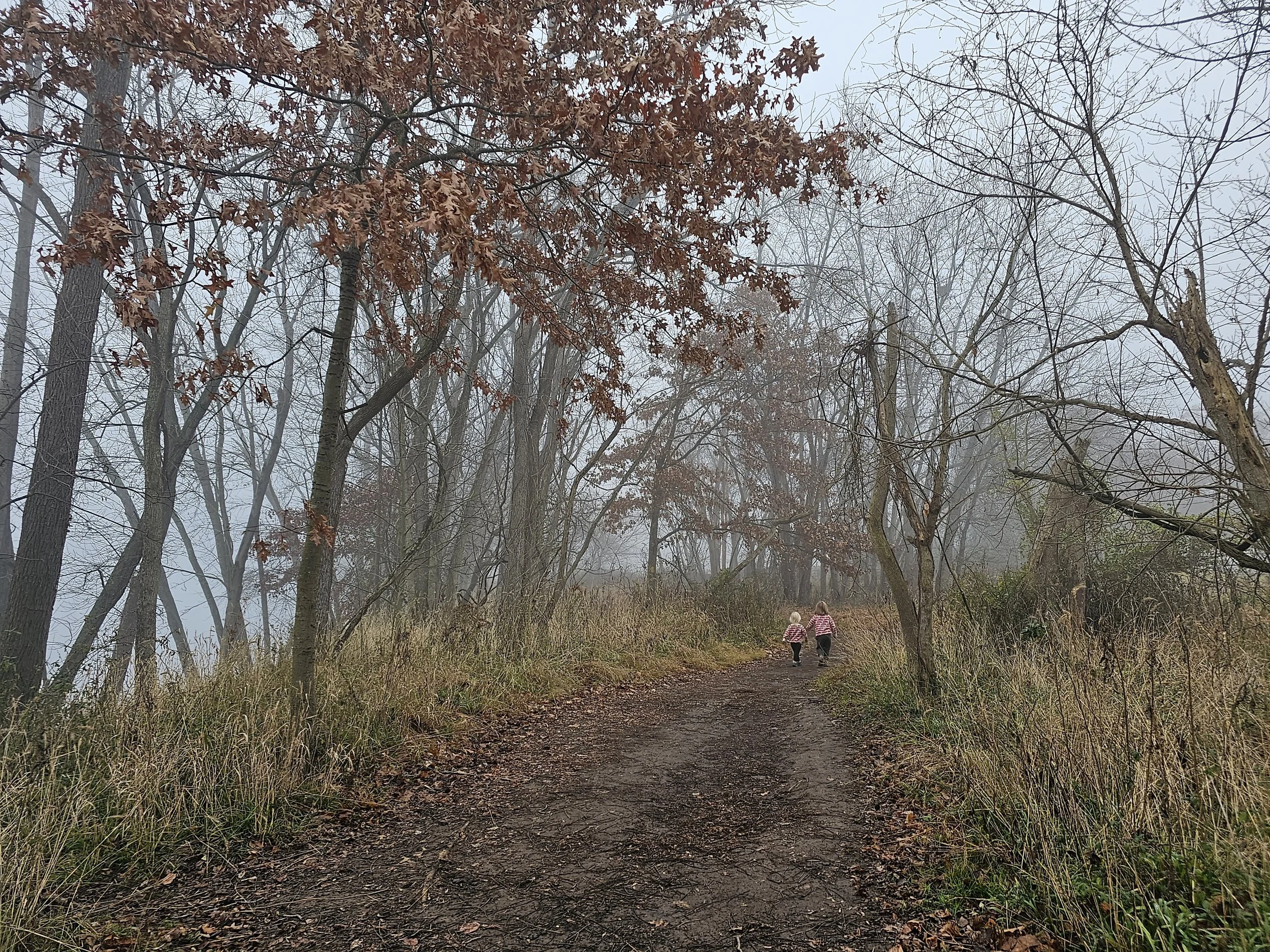
Field notes on places, pace, and what helps family days work
A Guidepost for
Intentional Family Travel

Best Waterfall Days Near Asheville with Kids
A simple guide to choosing the right waterfall day near Asheville with kids, from quick stops to quieter trails and full-day waterfall networks.
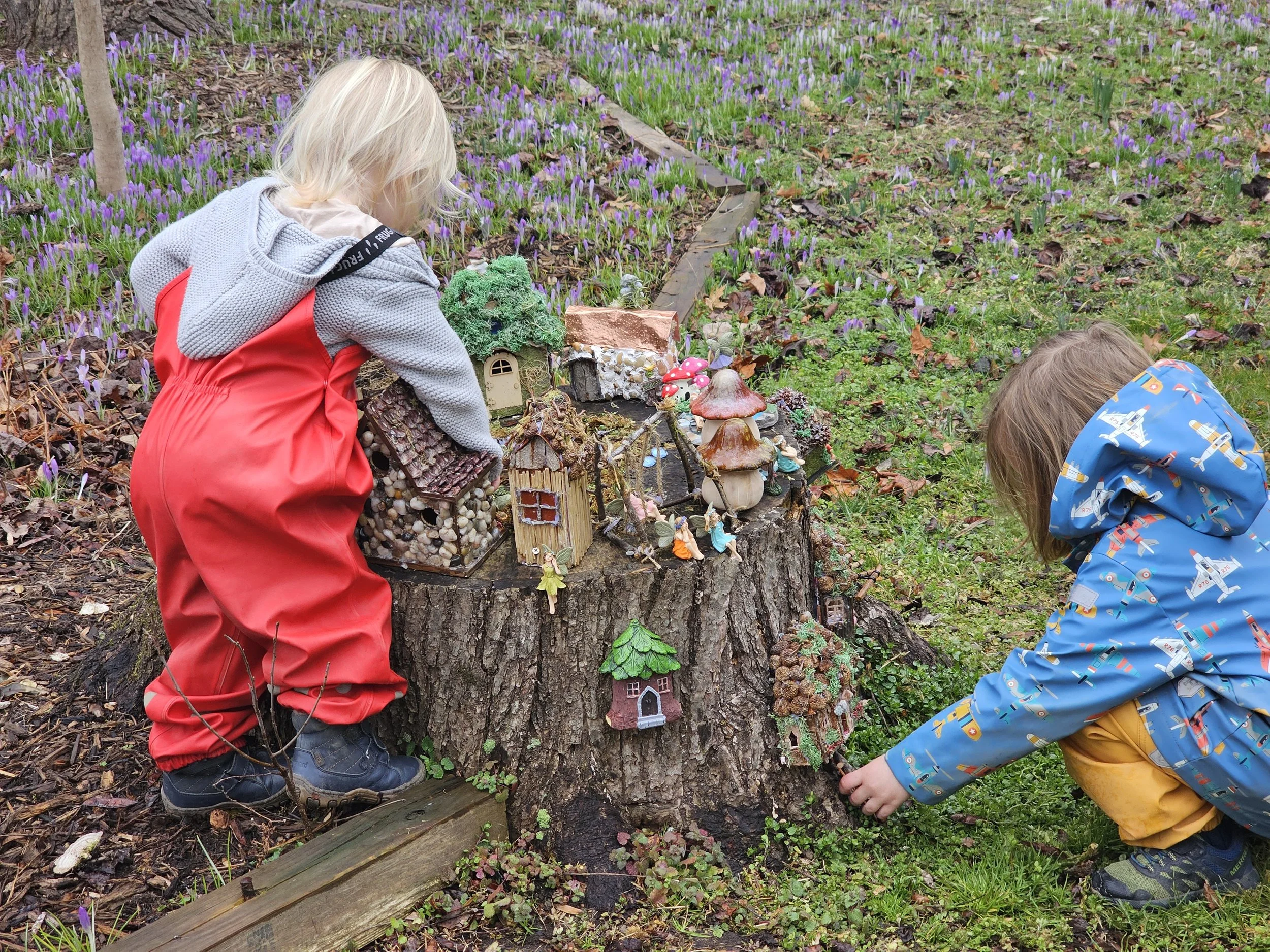
The Places We Look For
A slower approach to family travel, built around libraries, gardens, nature centers, markets, and bookstores. The quiet stops that help a day feel more grounded with kids.
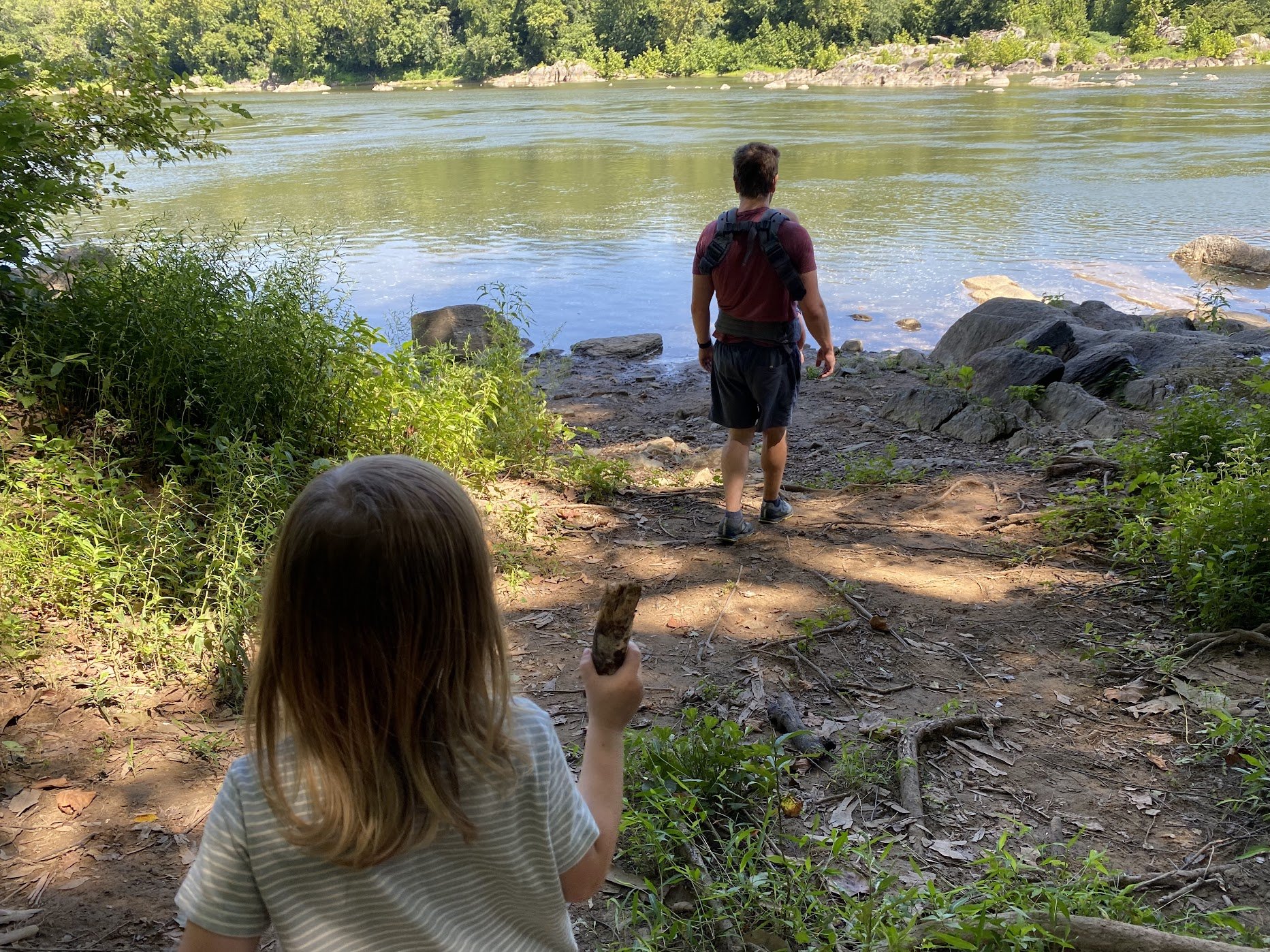
Exactly How to Start Worldschooling with Young Kids
Starting worldschooling with young kids doesn’t require a yearlong plan. It starts with a simple first step: choose a good home base, build a gentle rhythm, and let learning happen naturally through the places you explore together.
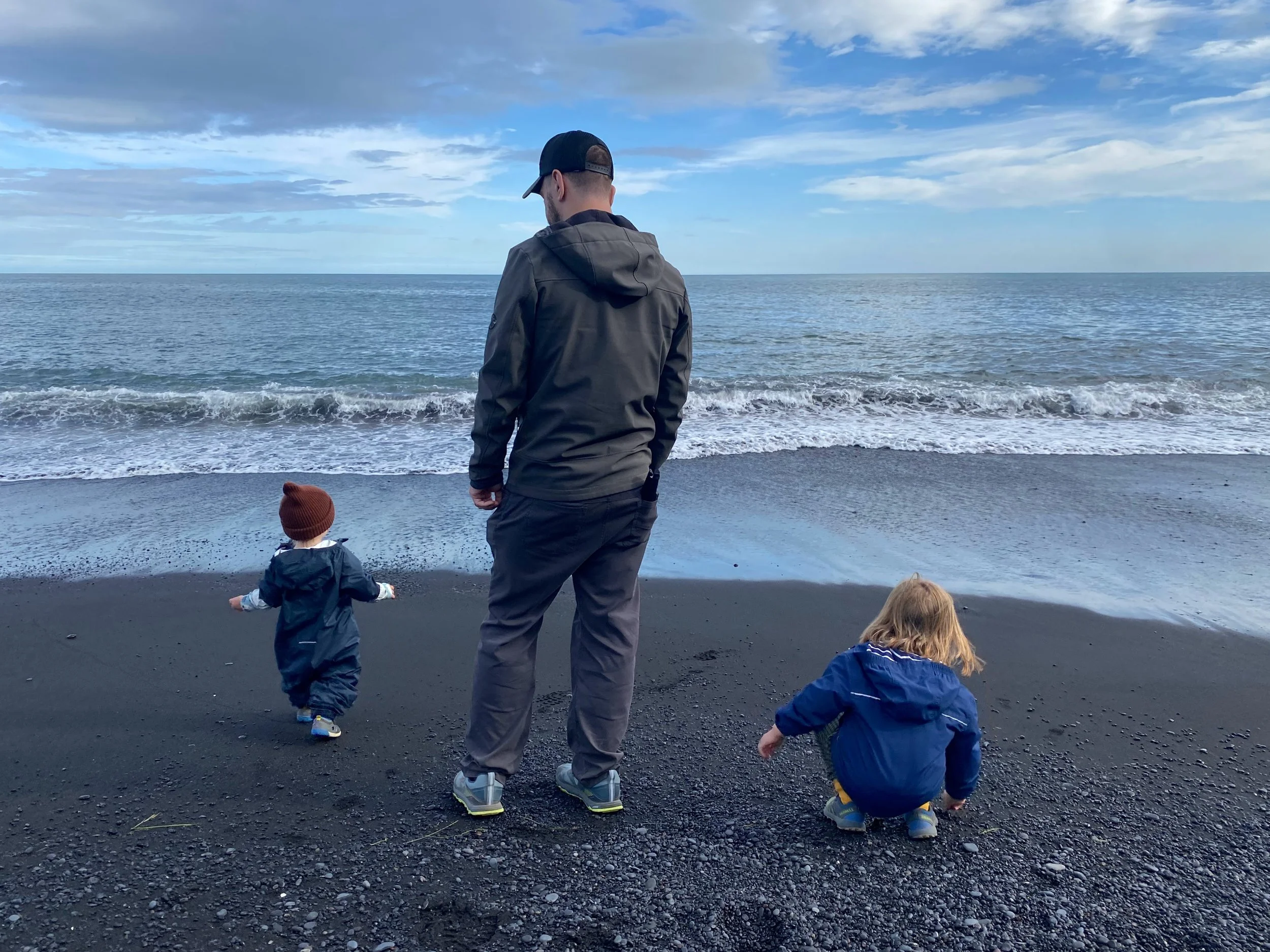
How to Build Calm Into Family Travel
Family travel asks a lot from children and parents alike. This guide explores how to build more calm into your trips through rhythm, realistic expectations, lighter travel days, and simple regulation tools that help everyone recover more easily.
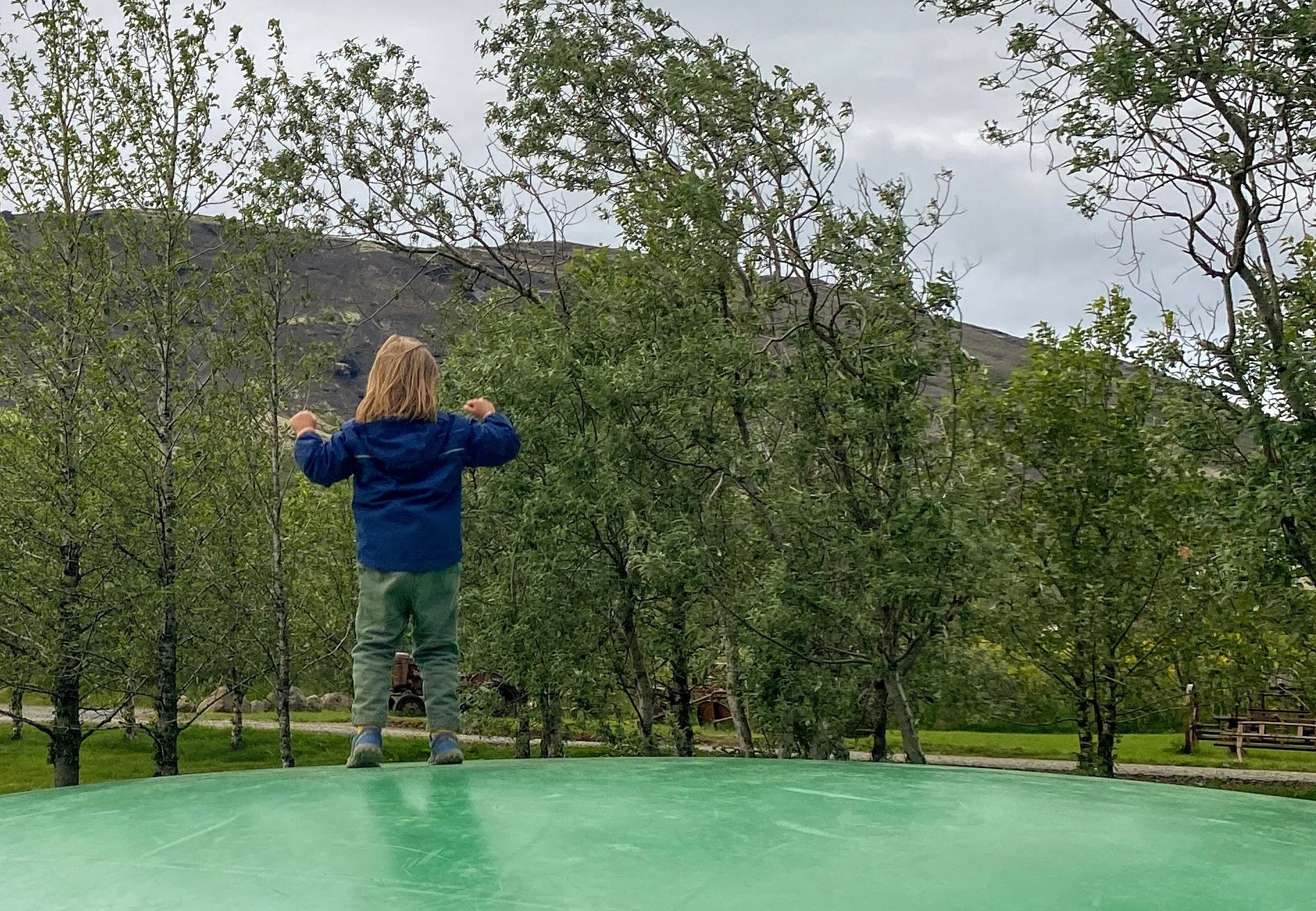
Why Worldschooling Often Works Well for Neurodivergent Kids
Many of the strengths of worldschooling already align with the kind of travel many neurodivergent children need: slower pace, interest-led learning, repetition, movement, ordinary details, and less pressure to perform.
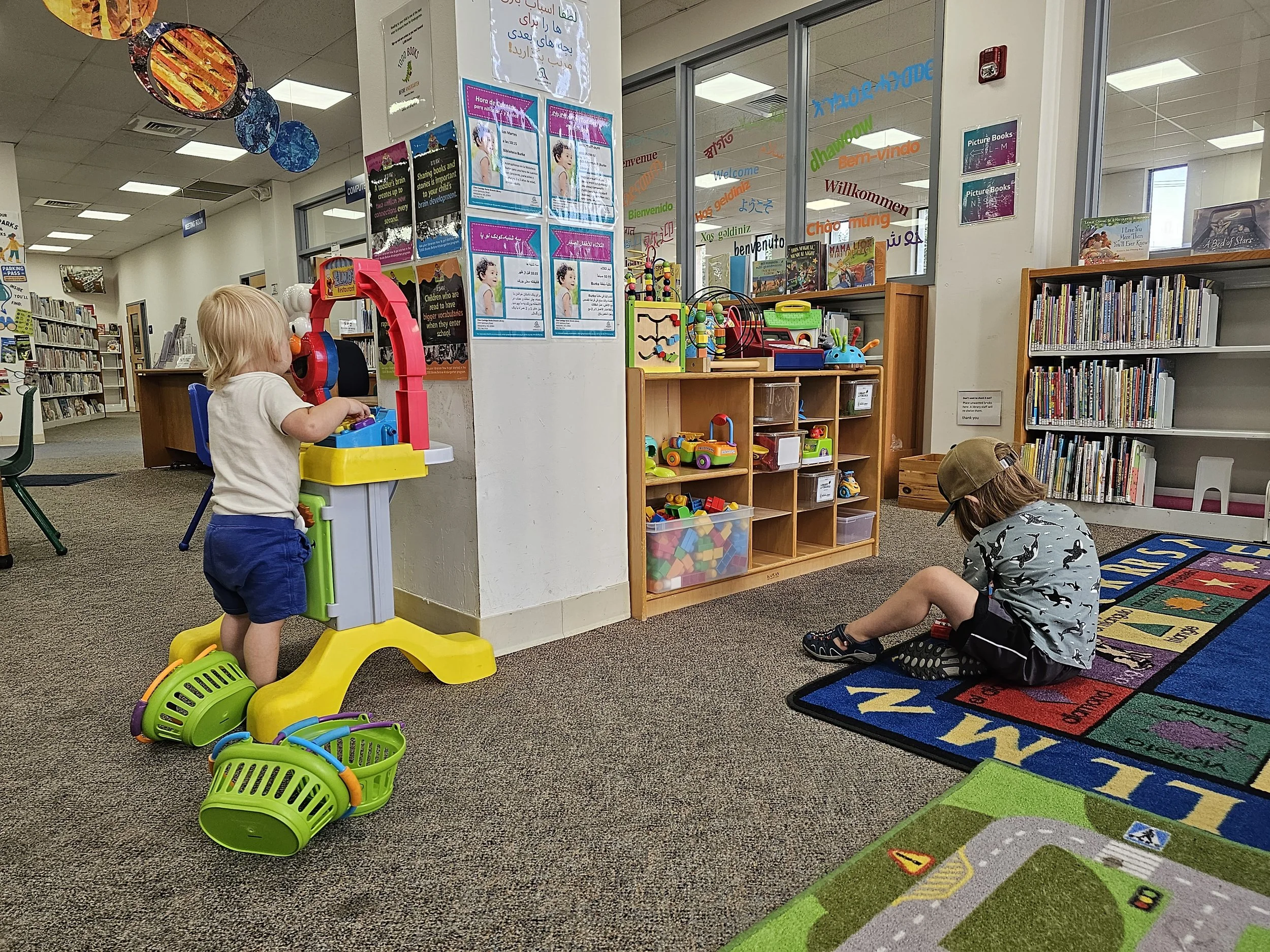
Free and Low-Cost Audiobook Resources for Family Travel
Audiobooks have a way of carrying a day, especially when you’re traveling with kids.
They fill the in-between moments. Long drives, airport waits, slow afternoons in unfamiliar places. The right story can shift the mood entirely.
And they don’t have to be expensive. With a few reliable, low-cost resources, you can build a small library of stories to return to, wherever you are.
A Beginner’s Guide to Worldschooling
A practical starting point for families who want travel, nature, food, and ordinary places to become part of real-world learning.
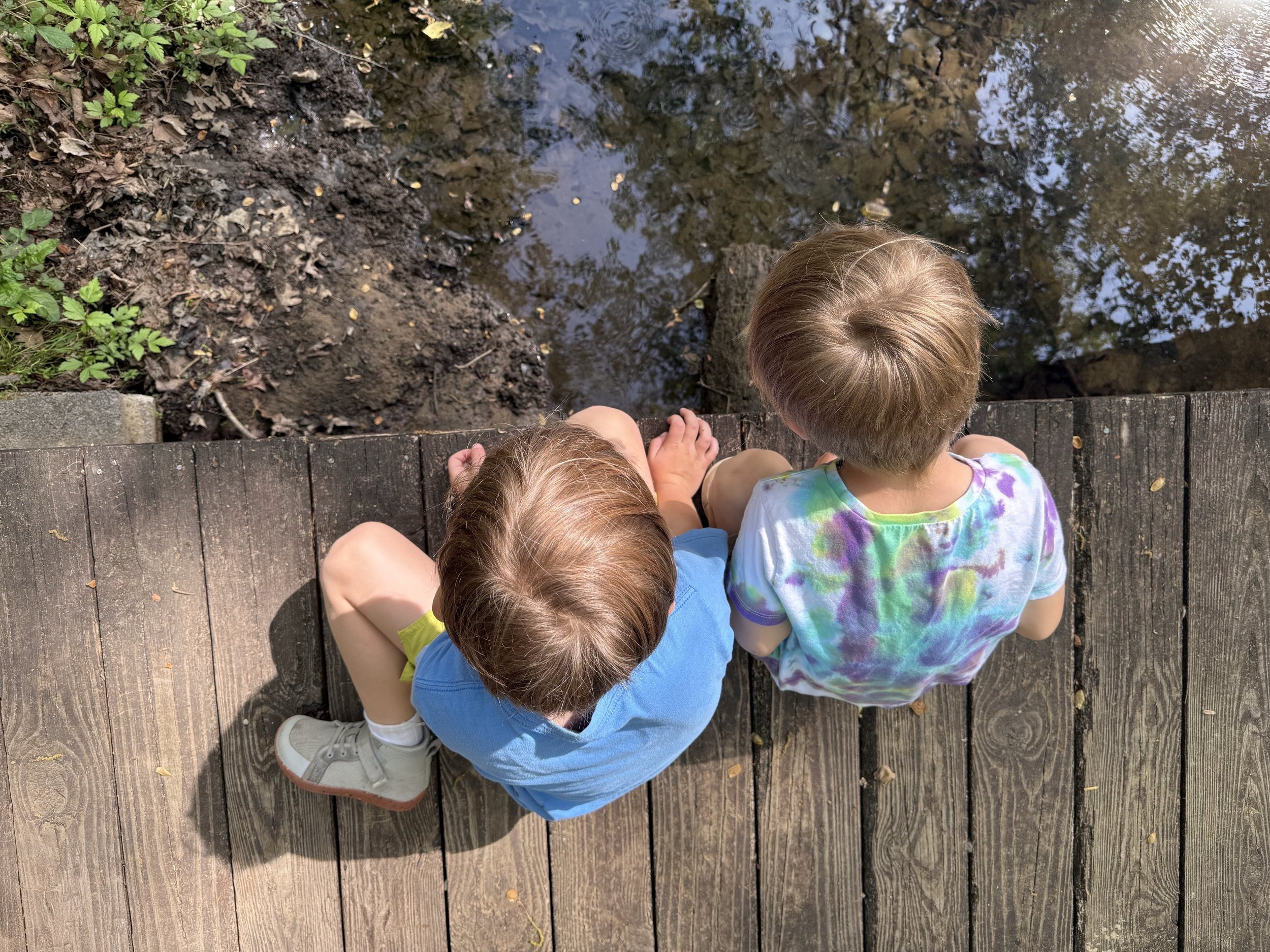
Worldschooling with a Neurodivergent Child
A practical guide to shaping family travel around real child needs, including routines, safe foods, sensory support, movement, changed plans, and the kind of pacing that leaves room for curiosity.